
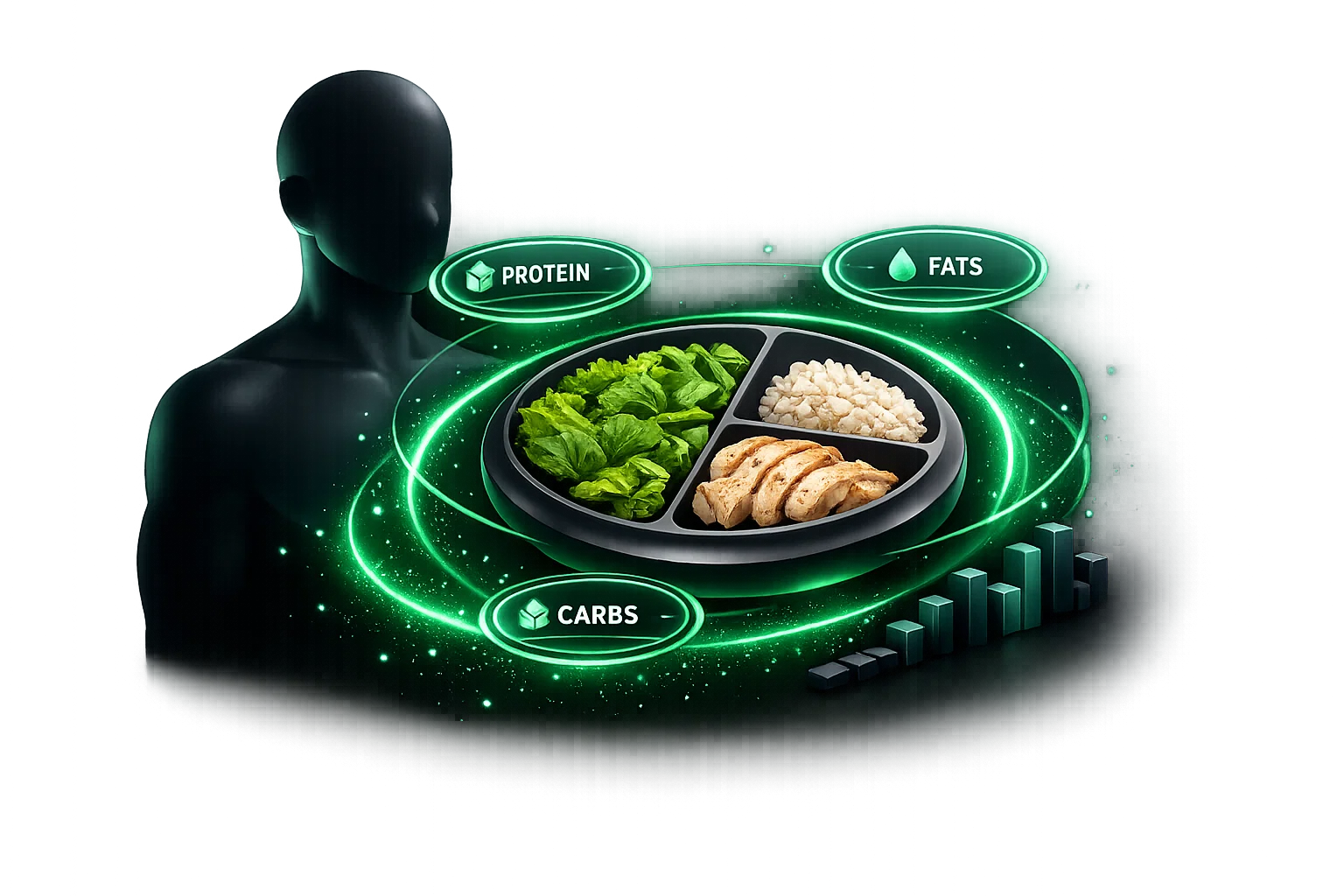

Creating a personalized diet plan is one of the smartest decisions you can make for your long-term health. Yet most people still rely on generic meal templates, trending diets, or social media advice that rarely considers what truly matters — your body type, metabolism, lifestyle, and goals.
The truth is simple: no single diet works for everyone. What works for your friend, colleague, or fitness influencer may not work for you. That’s why building a structured nutrition strategy based on your body type is essential.
In this guide, you’ll learn how to create a personalized diet plan tailored specifically to your body — whether your goal is weight loss, muscle gain, improved energy, or long-term wellness.
Step 1: Understand Your Body Type
Before you design any diet plan, you need clarity about your natural body composition. While everyone is unique, most people generally fall into three broad body types:
1. Ectomorph
Naturally lean, fast metabolism, difficulty gaining weight or muscle.
2. Mesomorph
Athletic build, responds well to exercise, gains muscle relatively easily.
3. Endomorph
Slower metabolism, stores fat more easily, may struggle with weight loss.
Knowing your body type helps you adjust calorie intake, macronutrient balance, and meal timing more strategically.
Step 2: Define Your Primary Goal
A personalized diet plan must revolve around a clear objective. Ask yourself:
- Do I want to lose body fat?
- Do I want to gain lean muscle?
- Do I want more daily energy?
- Do I want sustainable healthy habits?
Without a defined goal, your nutrition plan becomes inconsistent and ineffective.
Step 3: Calculate Your Calorie Needs
Your calorie intake determines whether you lose, gain, or maintain weight.
- For weight loss → slight calorie deficit
- For muscle gain → slight calorie surplus
- For maintenance → balanced intake
But calories alone are not enough. The quality and structure of those calories matter even more.
Step 4: Adjust Macronutrients Based on Body Type
Here’s where personalization truly begins.
🔹 Ectomorph Strategy
- Higher carbohydrate intake
- Moderate protein
- Moderate healthy fats
- More frequent meals
🔹 Mesomorph Strategy
- Balanced carbs, protein, fats
- Moderate portion control
- Strength-based fueling approach
🔹 Endomorph Strategy
- Moderate to lower carbohydrates
- Higher protein focus
- Healthy fats for satiety
- Controlled portion structure
A well-designed personalized diet plan balances these macronutrients to match your metabolism and activity level.
Step 5: Build Meals Around Your Lifestyle
A diet plan only works if it fits your daily routine.
Ask:
- What time do I wake up?
- Do I work long office hours?
- Do I train in the morning or evening?
- How often can I cook?
A practical plan is more powerful than a perfect plan. If your meals are unrealistic, you won’t stay consistent.
Step 6: Structure Portions Properly
Portion control plays a major role in sustainable progress.
Instead of extreme calorie cutting:
- Balance protein in every meal
- Add fiber-rich vegetables
- Include healthy fats in moderation
- Keep refined sugars minimal
Smart portioning prevents overeating while keeping energy stable throughout the day.
Step 7: Plan for Flexibility
One of the biggest mistakes people make is following rigid meal plans that collapse during social events, travel, or stressful weeks.
Your personalized diet plan should include:
- Flexible meal swaps
- Healthy snack alternatives
- Smart restaurant ordering guidance
- Realistic cheat meal boundaries
Flexibility increases long-term adherence.
Step 8: Monitor and Adjust
Your body changes over time. That means your nutrition plan should evolve too.
Track:
- Energy levels
- Sleep quality
- Strength improvements
- Body measurements
- Digestive comfort
If progress stalls, small adjustments in portions, macros, or timing can make a significant difference.
Common Mistakes to Avoid
Even with good intentions, many people sabotage their results by:
❌ Copying celebrity meal plans
❌ Following extreme low-carb or starvation diets
❌ Ignoring protein intake
❌ Skipping meals regularly
❌ Not adapting the plan to lifestyle changes
Remember — sustainability beats intensity every time.
Why Generic Diet Templates Fail
Most downloadable meal plans are not built for:
- Your metabolism
- Your work routine
- Your preferences
- Your health history
- Your training schedule
A truly personalized diet plan aligns all these variables into one structured, practical system.
When to Seek Professional Guidance
If you want clarity, structure, and a customized approach, working with experts can accelerate your results.
A properly designed plan considers:
- Body composition
- Macro calculations
- Portion strategy
- Habit building
- Long-term sustainability
If you want a professionally structured plan aligned with your goals, you can explore tailored nutrition services or request a customized plan based on your specific needs.
Final Thoughts
Creating a personalized diet plan for your body type isn’t about restriction — it’s about precision.
When you align nutrition with your metabolism, goals, and lifestyle:
- Weight loss becomes sustainable
- Muscle gain becomes structured
- Energy becomes stable
- Habits become long-term
The key isn’t following trends. The key is following a strategy built specifically for you.
If you’re ready to move beyond generic advice and build a plan that truly fits your body and lifestyle, taking the time to structure it correctly is the smartest investment you can make in your health.